Tempered Glass vs Plastic Screen Protectors: Which Protects Better
Tools You'll Need
Screen protectorMicrofibre clothDust sticker
A screen protector costs a small fraction of a new screen.
Tempered glass: hard, feels like the real screen and takes the impact by cracking itself. Best for most phones.
Full glue tempered glass: sticks across the whole surface, so there are no rainbow patches. Good for curved screens if it is the right shape.
Plastic (TPU) film: thin and flexible. It stops scratches but does little against drops.
Privacy glass: darkens the screen from the side. Useful in matatus and offices, but makes the screen dimmer.
To fit it cleanly:
1. Clean the screen with alcohol wipe, then a dry microfibre cloth.
2. Lift every dust spot with a dust sticker.
3. Line up the protector by the earpiece and camera, then lay it down from one side.
4. Push bubbles out to the edges with a card in a cloth.
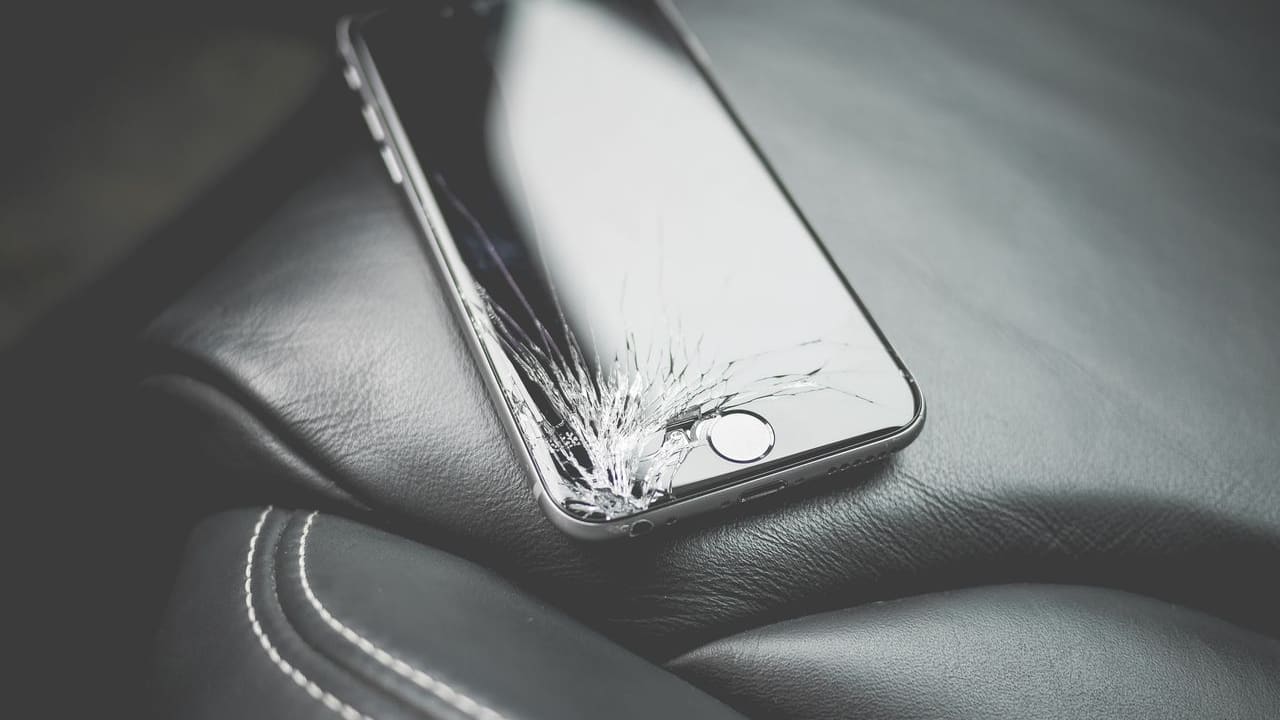
Change a cracked protector straight away: sharp edges cut fingers and the next drop will hit the real screen.